writer
Landscape design has become an essential element of modern property development. Whether applied to residential gardens, commercial properties, public parks, or institutional campuses, effective landscaping enhances visual appeal, improves functionality, and contributes to environmental sustainability. A carefully planned outdoor environment can transform unused or unattractive spaces into vibrant areas that support recreation, relaxation, and community engagement.
As landscaping practices continue to evolve, property owners increasingly seek reliable information to guide their decisions. Many discussions surrounding kdalandscapetion landscape guide by kdarchitects focus on creating balanced outdoor spaces that combine aesthetics, practicality, and long-term value. Understanding the principles behind successful landscape design can help homeowners and developers achieve meaningful results while avoiding common mistakes.
Modern landscaping is far more comprehensive than simply planting trees and flowers. It involves strategic planning, environmental awareness, structural design, maintenance considerations, and an understanding of how people interact with outdoor environments. By integrating these elements effectively, landscapes can become valuable assets that improve both quality of life and property performance.
The Evolution of Landscape Design
Landscape design has a long and fascinating history. Ancient civilizations invested significant effort into creating gardens, courtyards, and public spaces that reflected cultural values and artistic preferences. Historical examples demonstrate how carefully arranged outdoor environments have always played an important role in human societies.
Over time, landscaping evolved from a decorative practice into a professional discipline that incorporates architecture, horticulture, environmental science, and engineering. Modern technologies have expanded the possibilities available to designers, allowing them to create increasingly sophisticated and sustainable outdoor spaces.
Today’s landscape professionals must consider a wide range of factors, including climate conditions, drainage systems, accessibility requirements, environmental regulations, and user needs. This multidisciplinary approach has helped establish landscaping as an important component of comprehensive property planning.
The growing interest in kdalandscapetion landscape guide by kdarchitects reflects the desire for practical strategies that balance beauty with functionality in contemporary outdoor design.
Understanding the Purpose of Landscaping
Landscaping serves multiple purposes beyond improving appearance. A successful landscape contributes to comfort, usability, environmental health, and property value.
One of the primary objectives is enhancing curb appeal. Attractive outdoor spaces create positive first impressions and increase the overall attractiveness of a property. Well-maintained landscapes often influence how visitors, customers, and potential buyers perceive a location.
Landscaping also supports functionality. Outdoor areas can be designed to accommodate dining, recreation, social gatherings, exercise, and relaxation. By organizing spaces effectively, landscapes help maximize the usefulness of available land.
Environmental benefits represent another important advantage. Trees, shrubs, and other vegetation improve air quality, reduce erosion, support biodiversity, and contribute to temperature regulation. Thoughtful landscaping can also improve stormwater management and reduce environmental impact.
These diverse benefits explain why landscape planning has become a critical consideration in both residential and commercial development projects.
Site Analysis and Assessment
Every successful landscape project begins with a detailed site analysis. Understanding the existing conditions of a property helps designers develop solutions that work harmoniously with the environment.
Soil quality is one of the first factors evaluated during the assessment process. Different plant species have specific soil requirements, and understanding soil composition helps guide planting decisions.
Sunlight exposure is equally important. Some plants thrive in full sun, while others require partial shade or protected environments. Evaluating sunlight patterns ensures that vegetation is placed in suitable locations.
Drainage conditions must also be carefully examined. Poor drainage can lead to water accumulation, root damage, and structural problems. Effective landscape plans address these issues before installation begins.
Topography influences both aesthetics and functionality. Slopes, elevation changes, and natural contours create opportunities as well as challenges that must be incorporated into the design strategy.
Many professionals who reference kdalandscapetion landscape guide by kdarchitects emphasize site analysis because informed decisions during the planning stage often determine the long-term success of a landscape project. wbmoneymation money advice from wealthybyte
Principles of Effective Landscape Design
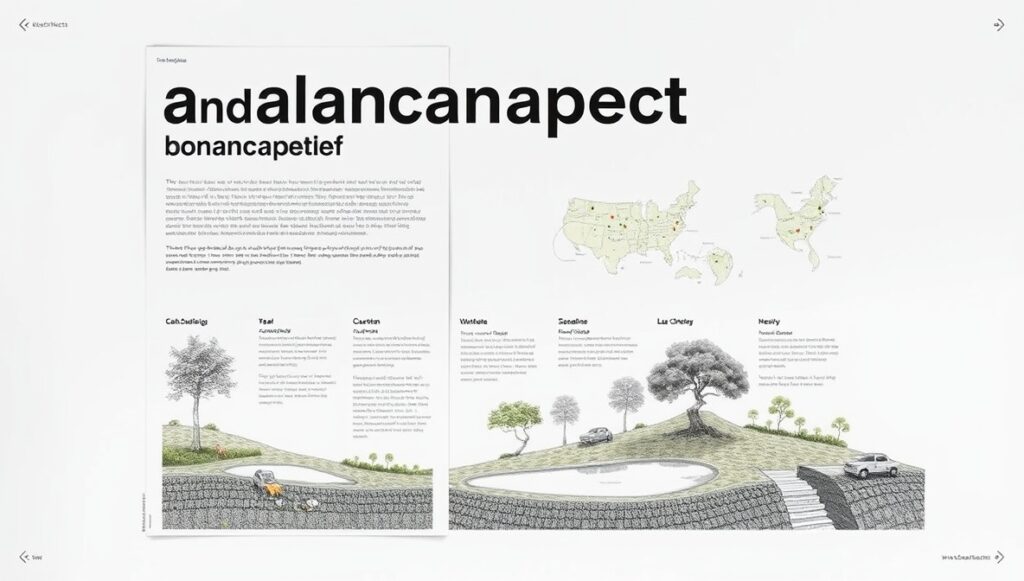
Several fundamental design principles help create visually appealing and functional outdoor spaces. These concepts guide decisions related to layout, plant selection, materials, and spatial organization.
Balance refers to the distribution of visual weight throughout a landscape. Symmetrical arrangements create formal and structured appearances, while asymmetrical designs often feel more natural and dynamic.
Unity ensures that all elements work together cohesively. Consistent themes, materials, and color palettes contribute to a harmonious overall appearance.
Proportion helps maintain appropriate relationships between landscape features. Trees, pathways, structures, and planting beds should be sized appropriately for the available space.
Rhythm creates movement throughout the landscape. Repeating colors, textures, and forms encourages visual continuity and guides attention naturally from one area to another.
Focal points provide areas of emphasis that capture attention and add character. Water features, sculptures, specimen trees, or architectural elements often serve this purpose.
When applied effectively, these principles help transform individual components into cohesive and attractive outdoor environments.
Plant Selection and Placement
Plants represent one of the most important components of landscape design. Selecting the right vegetation influences appearance, maintenance requirements, environmental performance, and long-term sustainability.
Trees provide structure, shade, privacy, and visual interest. Their placement should account for mature size, root systems, and potential interactions with nearby structures.
Shrubs help define spaces and create transitions between landscape elements. They can be used for screening, borders, accent planting, or foundation enhancement.
Perennials offer long-lasting beauty with seasonal variation. Their recurring growth patterns make them valuable additions to many landscape designs.
Annual flowers provide vibrant color and flexibility. Although they require periodic replacement, they allow property owners to update the appearance of gardens regularly.
Ground covers serve practical purposes such as erosion control and weed suppression while adding texture and visual diversity.
Advocates of kdalandscapetion landscape guide by kdarchitects often recommend selecting plants that are well adapted to local environmental conditions because such choices typically result in healthier landscapes and reduced maintenance demands.
Hardscape Features and Structural Elements
Hardscape components provide structure, organization, and functionality within a landscape. Unlike living elements, hardscapes consist of durable materials that help define outdoor spaces.
Patios create comfortable areas for relaxation and entertainment. Modern patio designs often incorporate seating, dining areas, and decorative features that extend indoor living spaces into the outdoors.
Walkways improve accessibility and guide movement throughout the property. Materials such as stone, brick, concrete, and gravel offer various aesthetic and practical advantages.
Retaining walls address elevation changes while adding visual interest. They can also create opportunities for terraced gardens and improved land utilization.
Pergolas and gazebos provide shade, architectural character, and gathering spaces. These structures frequently become focal points within larger landscape designs.
Water features introduce movement, sound, and tranquility. Fountains, ponds, and waterfalls contribute to relaxing environments while enhancing visual appeal.
The integration of hardscape elements with vegetation helps create balanced landscapes that combine beauty with practicality.
Sustainable Landscaping Practices
Environmental sustainability has become a major priority within the landscaping industry. Sustainable practices help conserve resources, reduce environmental impact, and support long-term ecological health.
Water conservation is among the most important objectives. Efficient irrigation systems, drought-tolerant plants, and rainwater harvesting techniques reduce water consumption while maintaining landscape quality.
Native plants are often preferred because they are adapted to local conditions. These species generally require less maintenance and provide valuable habitat for native wildlife.
Soil improvement contributes to sustainability by enhancing fertility, supporting healthy root development, and reducing the need for synthetic inputs.
Organic mulches help retain moisture, regulate soil temperature, and suppress weeds naturally. They also contribute to soil health as they decompose over time.
The increasing popularity of kdalandscapetion landscape guide by kdarchitects reflects growing interest in landscaping approaches that prioritize both environmental responsibility and aesthetic excellence.
Outdoor Living and Functional Spaces
Modern landscaping increasingly focuses on creating outdoor environments that support everyday activities. Homeowners often view outdoor areas as extensions of their living spaces rather than purely decorative features.
Outdoor kitchens provide opportunities for cooking and entertaining in natural surroundings. These spaces frequently include grills, preparation areas, seating, and storage solutions.
Dining patios create comfortable settings for meals and social gatherings. Proper design ensures convenience, comfort, and accessibility.
Fire pits and outdoor fireplaces extend the usability of outdoor spaces during cooler seasons. They also serve as attractive focal points for gatherings.
Recreational areas support physical activity and family engagement. Depending on available space, these areas may include lawns, sports facilities, playgrounds, or wellness zones.
Thoughtful planning ensures that outdoor living spaces remain functional, attractive, and aligned with the overall design vision.
The Importance of Maintenance

Even the most carefully designed landscape requires ongoing maintenance to preserve its appearance and health. Regular care protects investments and ensures that landscapes continue to perform as intended.
Maintenance activities include watering, pruning, fertilization, mowing, pest management, and seasonal clean-up. Each task contributes to plant health and overall landscape quality.
Proactive maintenance helps identify potential problems before they become serious. Early intervention can prevent costly repairs and reduce long-term management challenges.
A well-maintained landscape not only looks better but also supports stronger plant growth and improved environmental performance.
Property owners who follow principles associated with kdalandscapetion landscape guide by kdarchitects often recognize that maintenance is an essential component of long-term landscape success.
Frequently Asked Questions
What is the primary goal of landscape design?
The primary goal of landscape design is to create outdoor spaces that are visually appealing, functional, sustainable, and suited to the needs of property owners and users.
Why is site analysis important before starting a landscaping project?
Site analysis helps identify soil conditions, sunlight exposure, drainage patterns, climate factors, and other environmental conditions that influence design decisions and long-term success.
How do landscape designs increase property value?
Well-designed landscapes improve curb appeal, enhance usability, create attractive outdoor living areas, and contribute to a positive overall impression of the property.
What are the benefits of using native plants?
Native plants generally require less water, fertilizer, and maintenance. They are well adapted to local conditions and support regional wildlife and pollinator populations.
What is the difference between softscape and hardscape?
Softscape refers to living landscape elements such as trees, shrubs, flowers, and lawns. Hardscape includes non-living features such as patios, walkways, retaining walls, pergolas, and water features.
How can landscaping contribute to environmental sustainability?
Landscaping can support sustainability through water conservation, native plant selection, efficient irrigation systems, soil improvement practices, and reduced chemical usage.
How often should landscape maintenance be performed?
Maintenance schedules depend on climate, plant varieties, and property size. Most landscapes benefit from regular inspections, seasonal care, watering, pruning, and lawn maintenance throughout the year.
What should homeowners consider when planning outdoor living spaces?
Homeowners should evaluate available space, intended activities, budget, climate conditions, accessibility needs, and long-term maintenance requirements before finalizing designs.
Conclusion
Landscape design is a powerful combination of creativity, functionality, and environmental responsibility. Through careful planning, thoughtful plant selection, effective hardscape integration, and ongoing maintenance, outdoor spaces can become valuable extensions of residential and commercial properties. A successful landscape not only enhances beauty but also improves usability, supports ecological health, and increases long-term property value.
The growing interest in kdalandscapetion landscape guide by kdarchitects demonstrates the importance of informed decision-making when developing outdoor environments. By understanding key design principles, sustainability practices, and maintenance requirements, property owners can create landscapes that remain attractive and functional for many years.
As landscaping continues to evolve alongside changing environmental and lifestyle priorities, the demand for well-designed outdoor spaces will remain strong. Those who invest in thoughtful planning and quality implementation can enjoy landscapes that deliver aesthetic appeal, practical benefits, and lasting satisfaction.